The Hero's Journey
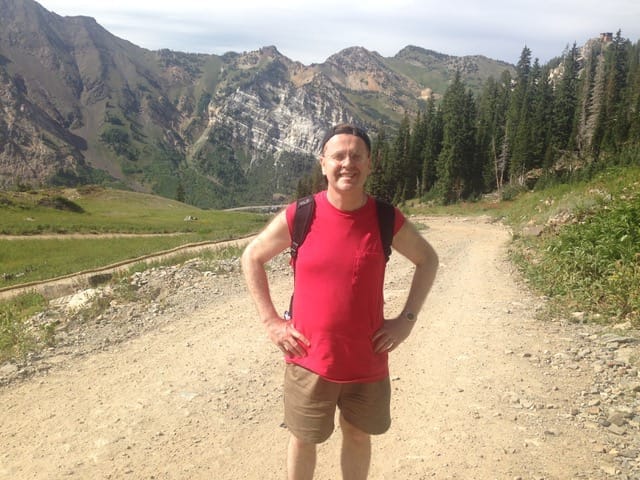
Post-traumatic growth is a psychological term used to describe the potentially transformative power of suffering. For David Washington, a trauma specialist and Weekend of Recovery alumni, the phrase means getting past trauma to where things become better.
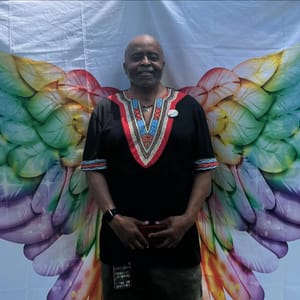
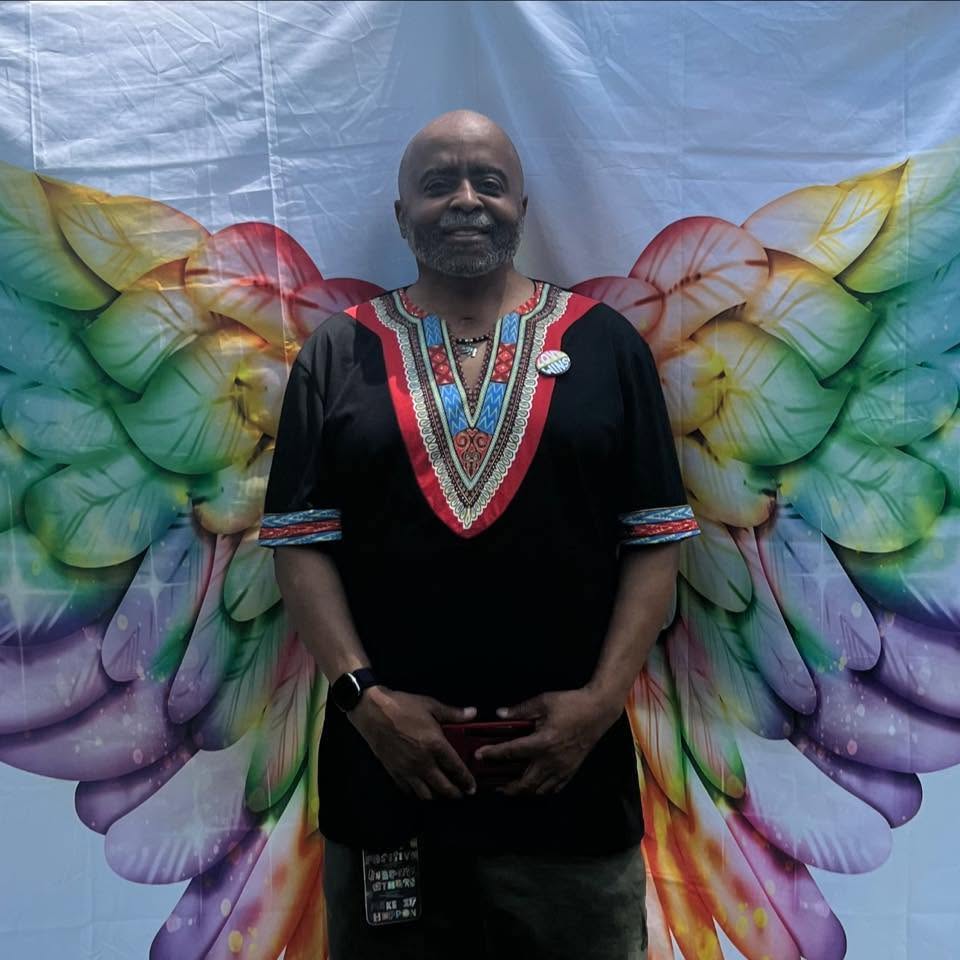
When I asked David Washington to describe his life before and after beginning recovery from sexual harm, he painted me this picture:
“There’s the scene in the Lord of the Rings where Gandalf proclaims, ‘You shall not pass.’ The main characters are in a dark cave, and that’s kind of how it felt: the trauma was keeping me from passing over.”
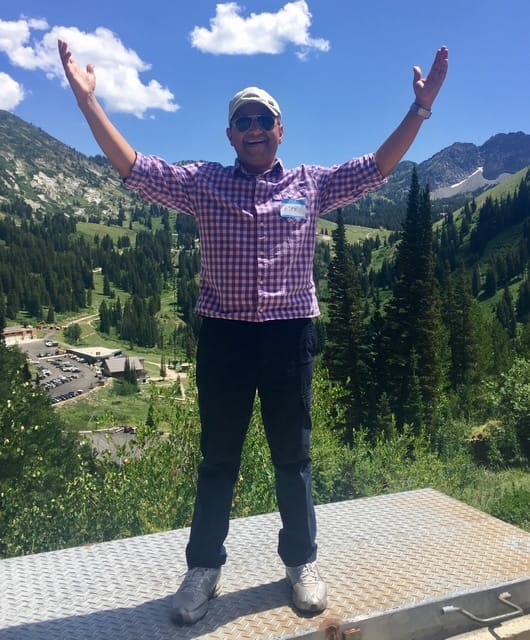
Suicidal, with very little joy, David recalled himself as “just existing” at that point. Now, he equates his life to the varying climates of California: he might experience bright, sunny beaches; dense forests; or be at the top of a mountain blanketed in snow, enjoying that weather.

Post-traumatic growth is a psychological term used to describe the potentially transformative power of suffering. For David, the phrase means getting past trauma to where things become better.
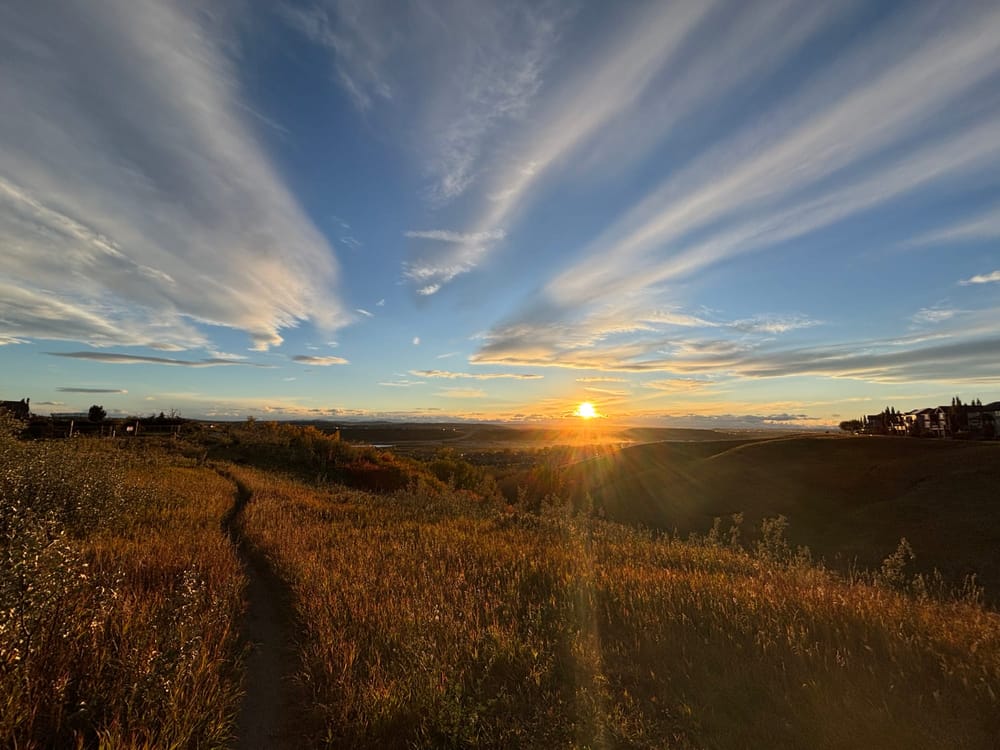
“I really like the hero's journey, and that metaphor of, yeah, you go into those dark places, but you come out on the other side stronger,” he said. “There’s a calling and you either accept the challenge or you don’t.”
David is a trauma specialist who works in the world of harm reduction, and alumni of MenHealing's 2023 Melanated Survivors Weekend of Recovery. In 2003, he met our Executive Director Jim Struve as part of a larger effort to look more holistically at the different forms of trauma in men’s lives, including sexual harm.
“It was years before I saw a man of color sharing his story about sexual trauma and recovery,” David said. “That's one of the reasons why I stayed present when I met Jim and [MenHealing]—there's gotta be more of us that can let people know we recover, too.”
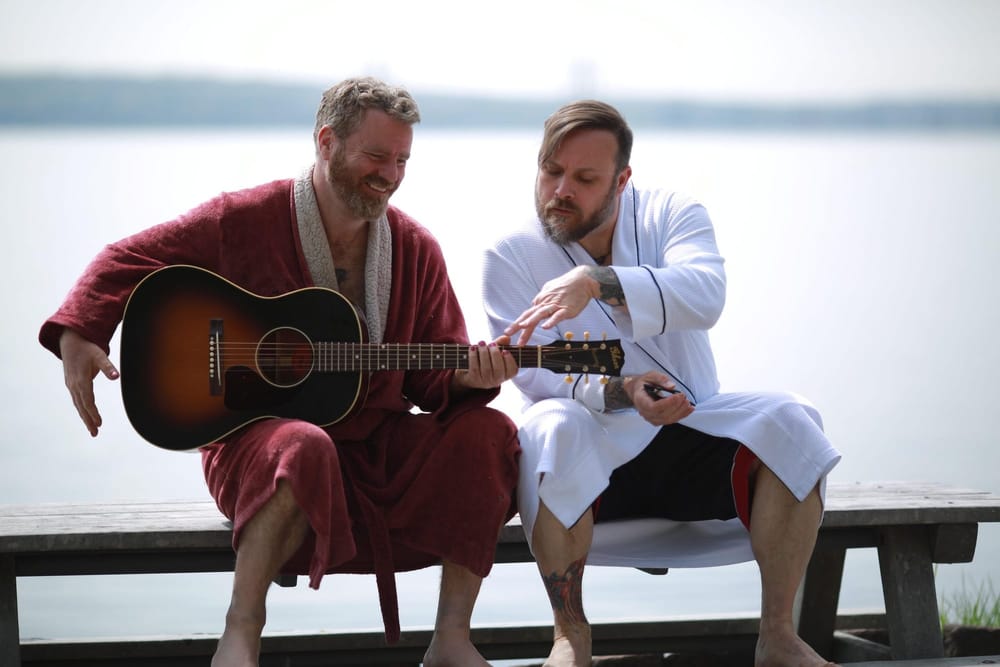
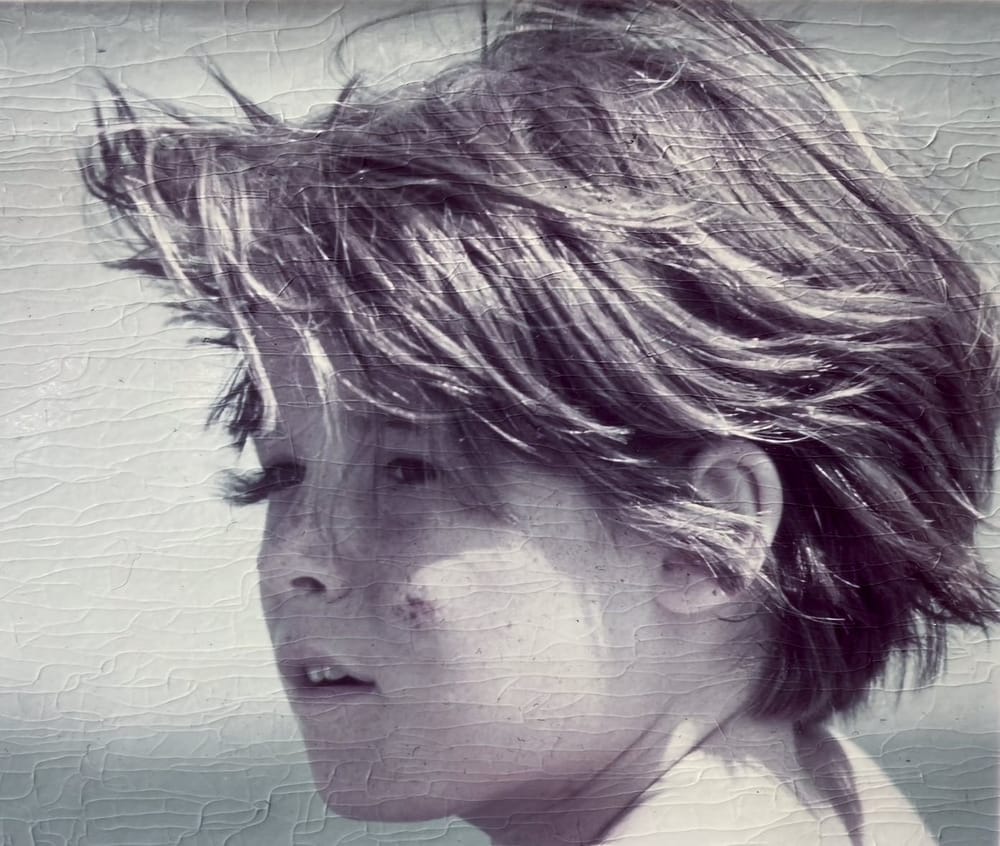
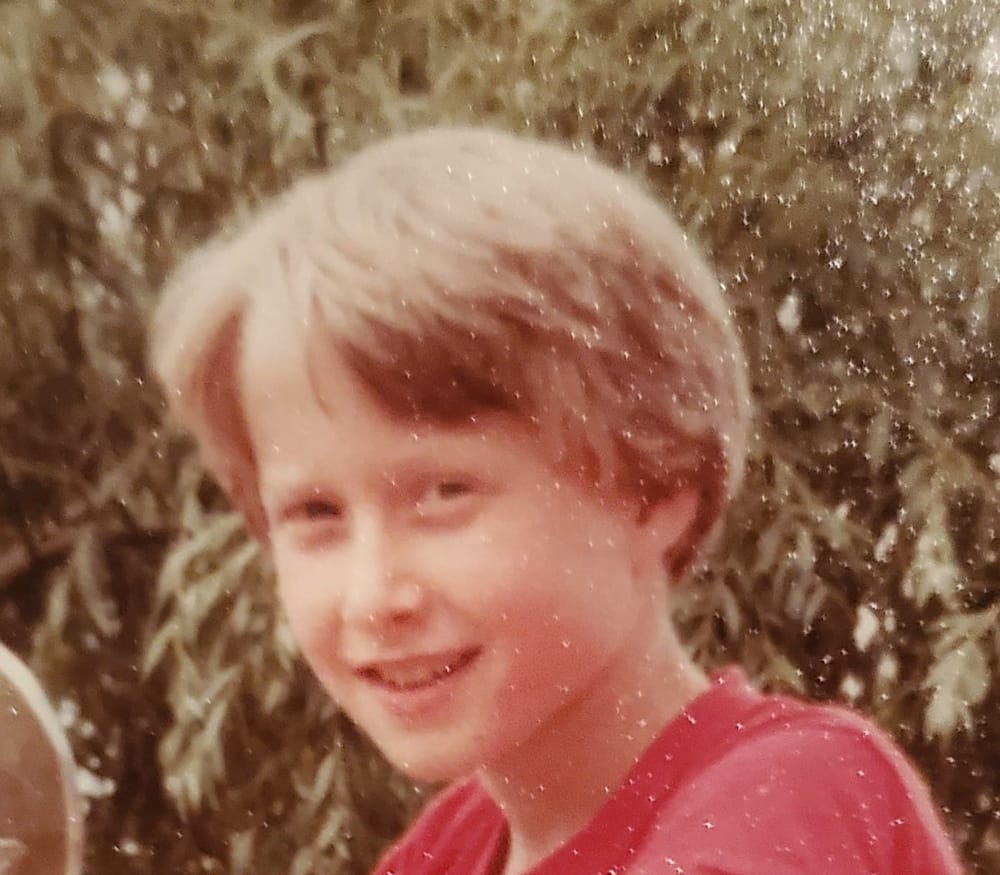
He collaborated with us on the Men’s Story Project in 2020 to raise his voice: his sexual harm happened when he was seven years old, and went on up to high school. This early childhood trauma led him to become introverted, and to discover music as a form of escapism.
“Music not only helped save me from the predators, it also helped me to find a career, because I actually studied music and became pretty good at it,” David said. “But unfortunately, as I played, I got exposed to substance use.”
Similar to how a hero might prevail over the enemy, this battle with addiction (or, to use David’s terminology, “chaotic substance use”) made him stronger.
“When I stopped using substances, I think I was 25 or 26, I never thought I would see 30,” he said. “Now I’m 61. Trauma didn't get me, didn't defeat me.”
However, trauma does intersect with his identity and life.
“There’s been a little bit more fear as a man of color navigating through America right now,” he said. “I do feel a lot more guarded, which takes me back to when I was the seven-year-old kid who would go outside and be like, ‘Where are [the predators] at? What’s going to happen next?’”
It can be a struggle to find serenity, but to David, this isn’t uncharted territory.
“We’ve—men of color—been here before and for some of us this is a normal state of being,” he said. “You make the best of what you have with what you got.”
One of the gifts of recovery is doing what he can, when he can. A statement David includes in his work bio: I can think of no better way to be of service to mankind than to be a trauma-informed person in this life.
“We’ve come a really long way [in acknowledging and supporting male trauma], and I’m grateful to have been some small part in that,” he said. “I’m involved in a 12-step fellowship and I still go to meetings where I get unconditional love and the reaffirming of a way to live that allows me to be happy, joyous, and free.”
Join the Movement