The Transformative Power of A Weekend of Recovery (or Eight)
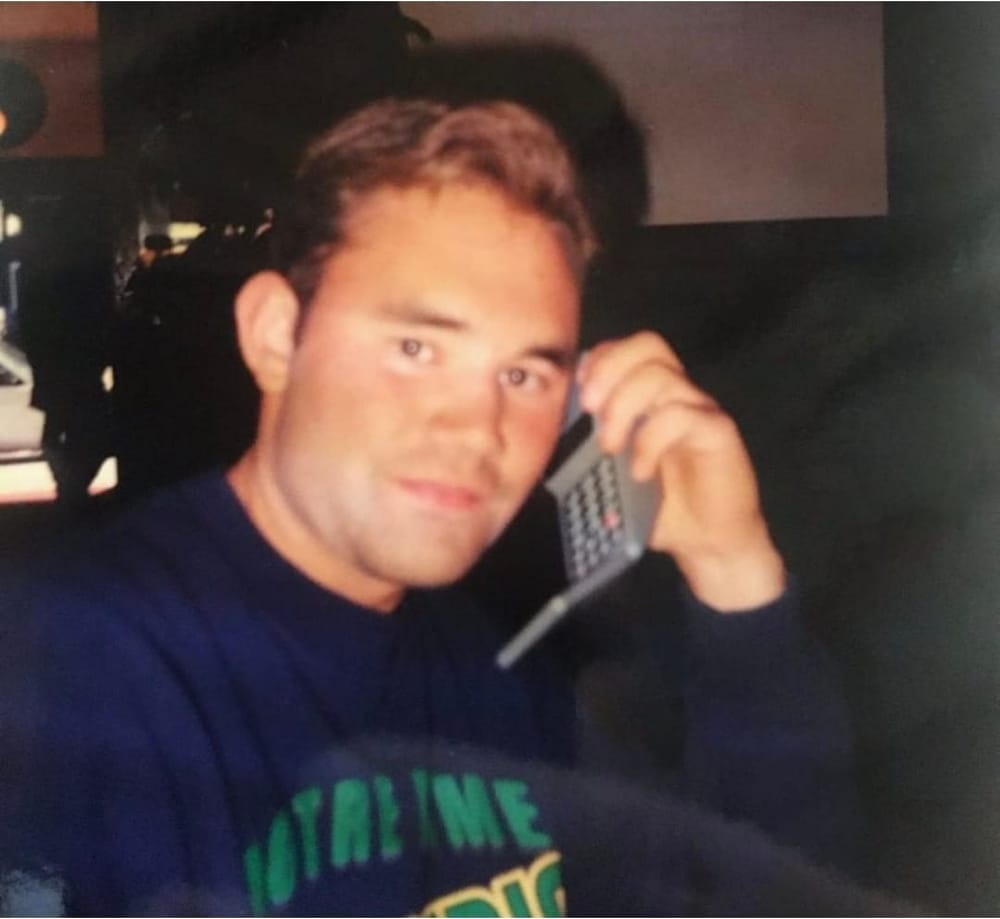
Niall Lenihan is an 8-time Weekend of Recovery Alumni whose healing journey evolved from being a chore to a joy.
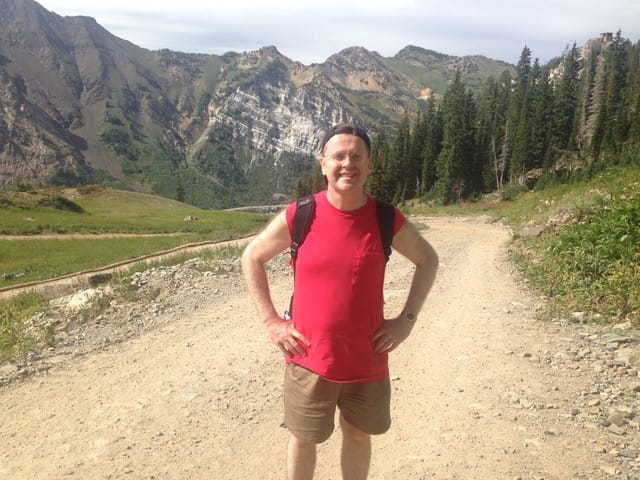
Before his recovery from sexual harm started, Niall Lenihan felt akin to a cardboard person; somebody with little self-awareness, which prevented any exploration into deeper depths.
“There was something not quite real about me,” he said. “When the recovery started, I felt like I was getting in touch with feelings and emotions that had been repressed for very long.”
By allowing those parts of himself to come to the surface through the healing process, Niall said he became a whole human being.
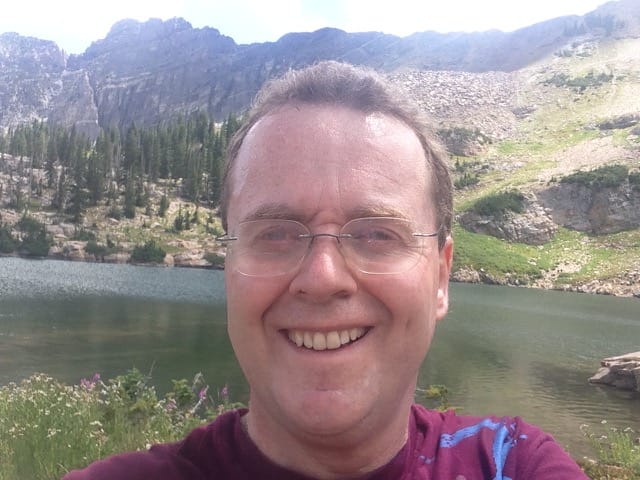
His first encounters with other male survivors were in anonymous chat rooms. In 2000 and 2001, he attended two weekend workshops in London, where he met other male survivors for the first time. These events weren’t residential, rather it was “like a 9-to-5 sort of thing,” Niall clarified.
“Of course they were very powerful experiences,” he said, “but somehow the Weekend of Recovery [WOR] operates at a deeper level.”
At the beginning of MenHealing’s three-day retreats for male survivors, participants co-create safety guidelines and learn about mind-body awareness. Opportunities to journal, reflect, and connect with other survivors let men pace the level of their involvement.
“The fact that it’s a weekend event, and not just meetings during the day, but the evenings—and sleeping there—I think that makes it a more powerful experience,” Niall said.
As an eight-time WOR Alumni, Niall said each and every retreat has been enormously important in his life.
“There was a lot of shame and secrecy surrounding [being a male survivor], and every little step was like climbing Mount Everest,” he said. “To suddenly step out of that reality and in this kind of bubble for a weekend… It was just an incredible experience.”
MenHealing trauma-informed facilitators lead folks through small group exercises and larger discussions to learn, practice nervous system regulation tools and self-compassion.
“The facilitator team were all so kind and sensitive, and very attuned to how delicate and difficult this whole issue was for the participants,” Niall said. “They really created a safe space for everyone.”
When the Weekend is over, many men leave transformed from how they arrived.
“[The WOR] allowed me to see the healing journey in positive terms,” Niall said. “It wasn't a chore—it was a joy to be part of the healing journey.”
One of the joys he brought home with him post-retreat was a CD full of songs.
“When I did my first [WOR], they [gave each man] a collection of the music that had been played during the Weekend,” he said. “I remember listening to it for months every night, just to connect to that whole experience!"
Ending isolation and embracing community with men who have similar experiences proved to be an incredibly helpful tool for Niall’s recovery.
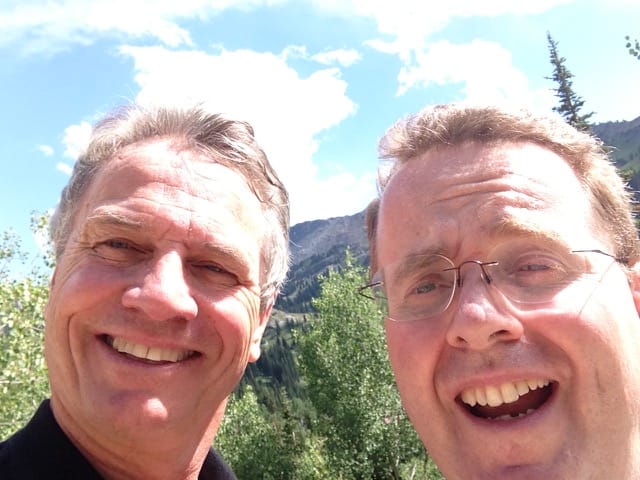
“I formed connections with the men who participated in the Weekends of Recovery,” he said. “I speak with Terence Rice on the phone probably every month or two since my very first WOR in 2003, and I have visited Terence and his family several times.” Niall also maintains contact with other WOR alumni.
Additional pathways to healing for Niall include his relationship with religion; a very good friend named Pauline, who has supported him since the beginning of his recovery; and psychodrama, a type of psychotherapy where you act out personal experiences, feelings, and conflicts on a stage with other folks holding roles and enacting scenes.
“I'm a Catholic, I go to Mass regularly, and my faith has been a very important part of my healing journey,” he said. “And Pauline is somebody who’s been just a huge support, a real rock.”
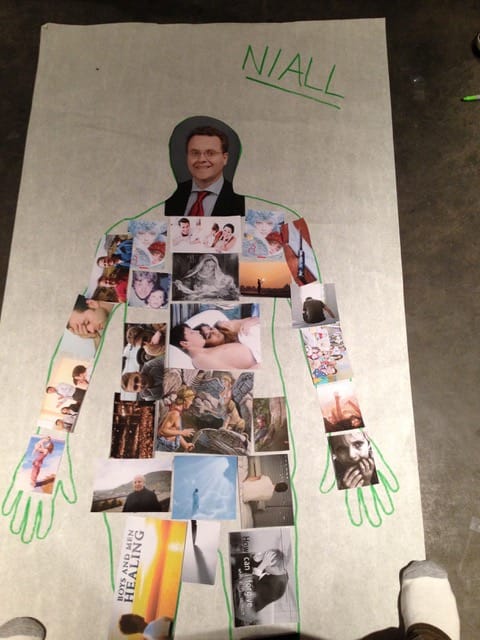
Niall was first introduced to psychodrama techniques such as sculpting by facilitators during our Weekends of Recovery, and has since completed a whole training in the practice.
He now leads a local group in Frankfurt, Germany.
“I’m able to play the facilitator role because of my own healing journey,” he said. “If I’d never undertaken recovery, I would never have found myself here.”
Join the Movement