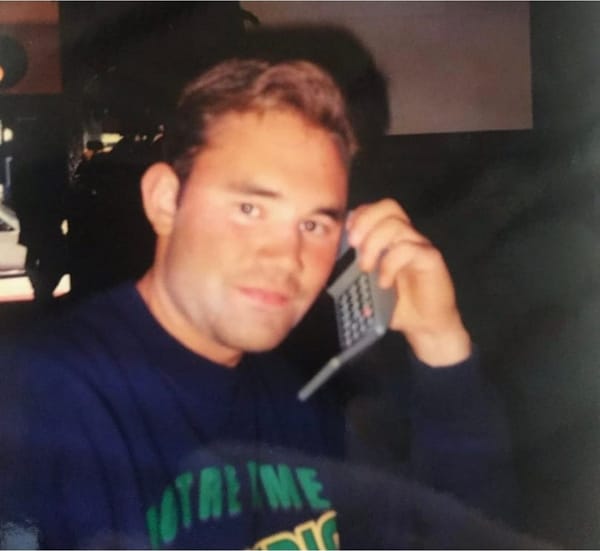
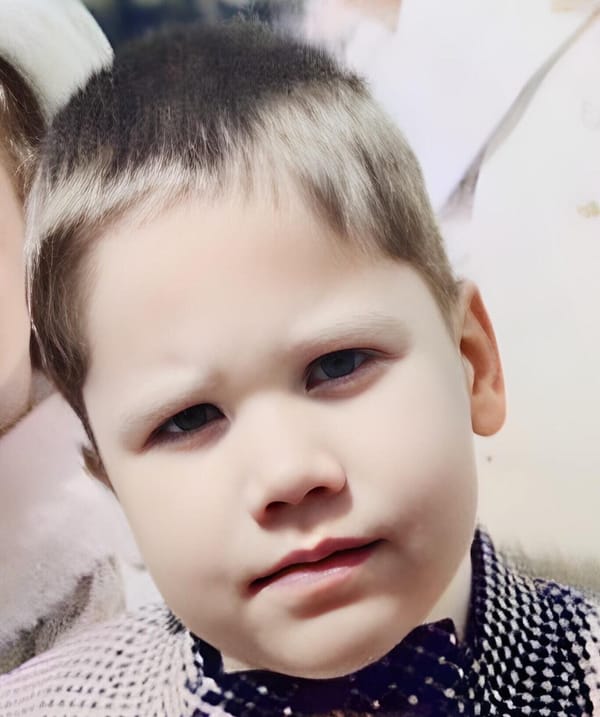
“You should probably be careful who you tell that to,” was the response H* received after disclosing his sexual harm experience to a colleague. This physician and senior leader in medical administration, was a person H looked to confide in. Someone he thought he could trust.
“It terrifies me to have my healing journey have to be, in a way, still hidden,” H said. “Because it's just too dangerous: Those who walk among us that see this as an opportunity, or they don't understand it, can have significant power over those [who] are in that place.”
For H (and many other male survivors), sharing his story of survival has the potential for both empowerment and harm. It could mean “professional suicide” – wherein stigmas associated with male survivorship spill over into the workplace like ink and stain reputation, character, and potentially impair one’s ability to earn a living.
Toxic masculinity can fuel the flames for false assumptions about what it means to be a male survivor, and how they are expected to look or act. Wrapped up in the decision to disclose abuse is the fallout: being disbelieved, shamed, rejected, and shunned from society.
“The real harm is how [sexual abuse] infects your life processes, and your ability to make safe relationships and have a safe relationship with yourself,” H said.
Research reveals that men tend to wait an average of 20+ years before telling anyone about the abuse.
“Growing up in that community of men and playing hockey has caused me to, for most of my life, be very in denial that [the sexual harm] had any impact on my life at all,” H said.
When Sheldon Kennedy, a notable men’s hockey player, came out with his own sexual harm history in 1996, H pushed back. In fact, he said, he became quite aggressive and defensive towards other men who claimed to be victims.
“In my own mind, I would brag, and say like, ‘Look, it happened to me and I'm fine. I've become a doctor, I had friends, I'd lived internationally, I learned multiple languages, I've accomplished a lot, and I'm fine,’” H said.
This mindset reflects the very essence of society’s attitude towards men who experience sexual harm: that they are weak, less harmed than women survivors, and just need to get over it.
“[Being a male survivor] has a very different dynamic amongst other men and in society in general,” H explained. “It has a very different production of revulsion.”
At MenHealing’s three-day healing retreats known as Weekends of Recovery (WOR), the aim is to engage male survivors who may have a long history of isolation from being cast out.
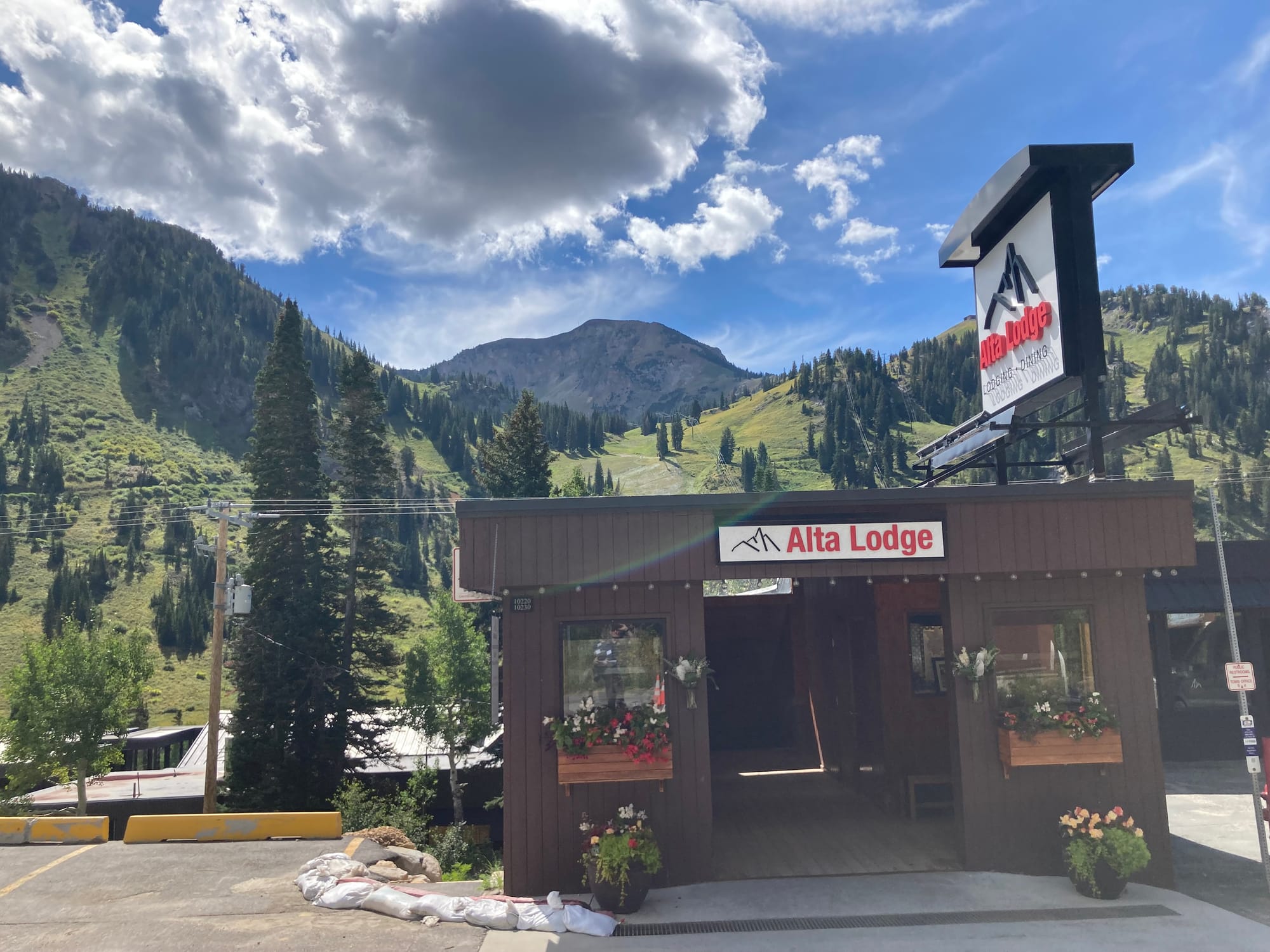
“It felt extremely safe,” H said about his Weekend experience in Alta, Utah. “I’ve never felt so instantly surrounded by loving, understanding people ever in my life… from signing in to going home, there was just such a warmth and an embracing.”
Through large group activities mixed with small group sessions, trained trauma-informed facilitators offer a safe space for participants to share their story, explore tools for managing pain, and build the foundations for recovery.
“I think that’s why the Weekend was just so amazing: it brought a bunch of harmed people together, and we had a very loving experience,” H said. He attended a Weekend in 2023, and called it “life-altering.”
‘[My experience at the WOR] changed my life for the better,” he said. “I feel such gratitude. I feel so much more calm.”
Over the past five-10 years, MenHealing has observed that more and more male survivors are ready and willing to share their stories of healing – a sign that some of the social stigmatization around these issues is beginning to soften.
Yet, sometimes choosing hiddenness can provide much needed safety.
“I found a community, I found a place where I can stay hidden. I can keep that refuge, but not be alone,” H said. “That's the whole point of [MenHealing]: It’s sheltered. It’s a benevolent cabal.”
Still, connection with other male survivors can make a huge difference in one’s healing journey.
For H, he found community in MenHealing’s Peer Support Groups – online opportunities where folks can meet to unpack the impact of sexual harm and practice ongoing tools for recovery – designed for WOR Alumni, partners of male survivors, and men who haven’t yet been through MenHealing’s programs.
“I continue to have relationships with these other men,” H said. “We share life issues of current day problems that stem from our source injuries, our source harms.”
He further explained that while each man’s experience with sexual harm is unique, they all have something in common.
“We lost parts of ourselves during that harmful process,” H said. “We lost our self-respect, our sense of dignity, we lost a lot that we didn't know we lost, and until we found each other, we really didn't realize that we were missing it.”

Getting to the healed and healing state he’s in now was a matter of time, determination, and learning.
“My sexual harm, I realized in the end, was about choosing safe relationships because I felt the need to embrace everyone, but especially, those people that were not safe for me,” H said.
After the WOR, H divulged the abuse to the man who had been by his side since he was seven (one of the people who “loved him the right way”): “I've never seen him cry, but he cried that day. And he said the most perfect thing: ‘I wish I knew.’”
It is the responsibility of all individuals to make space for the wounds of sexual harm. Only then can those injuries be tended to, survivors are seen for who they truly are, and the cycle of abuse ceases to exist.
This may take decades of hard effort, but H’s parting words?
“Don't give up on yourself. Don't give up on love. There is a place and you can get there. You will feel safe and you will love yourself again.”
*Name has been modified to protect survivor’s safety.