Drowning in the Open
by Sam Katz
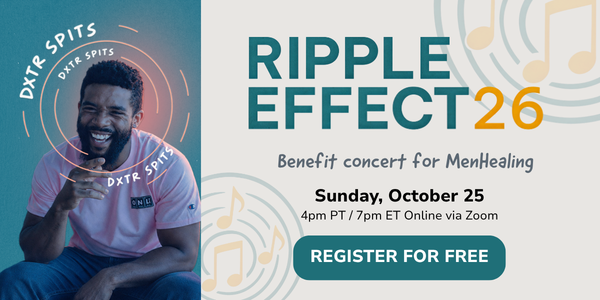
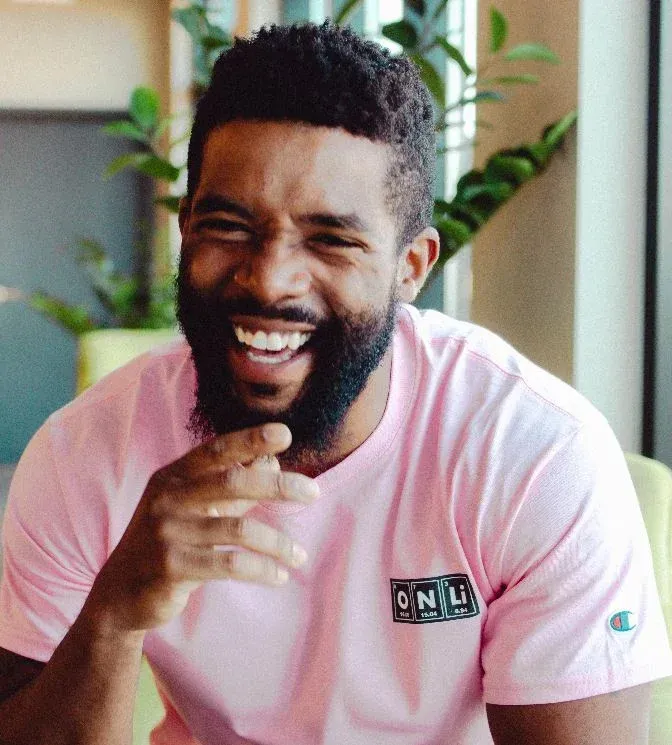
One of the performers I’m really excited to see back at Ripple Effect (MenHealing's annual online benefit concert) this year is Dxtr Spits (the stage name of Chicago-based artist Jordan Holmes), who founded How Men Cry, which destigmatizes conversations about men’s mental health.
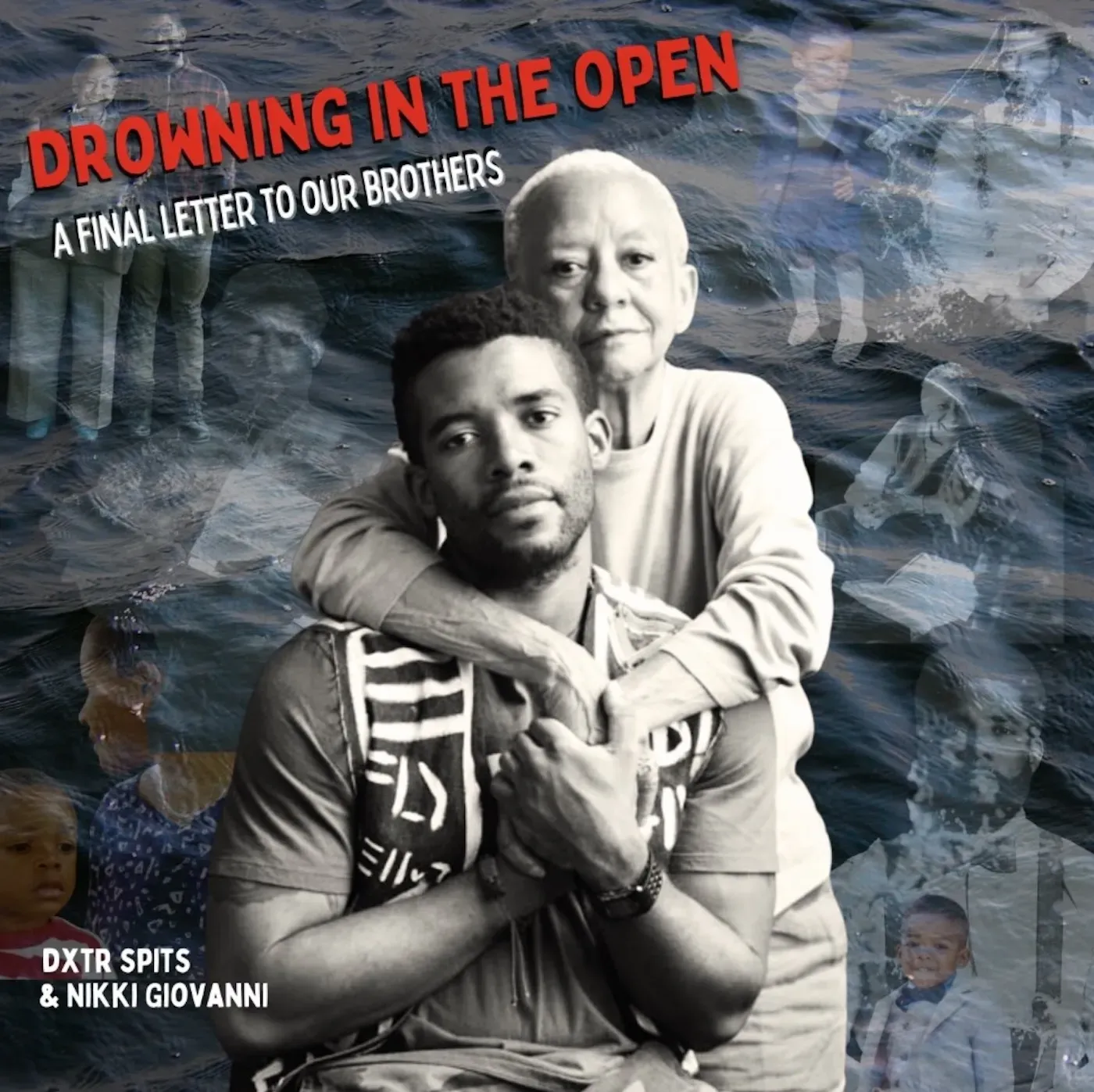
Dxtr was part of our inaugural Ripple Effect event in 2024, performing his song “Water” to a rapt audience. Since then, he’s released a new album, “Drowning In The Open,” featuring the late legendary poet Nikki Giovanni. The album is, in many ways, a response to Dxtr’s own mental health journey, and rings an alarm bell to bring attention to the nationwide epidemic of suicide, which now claims the lives of over 100 men a day in the U.S.
I had a chance to sit down with Dxtr and talk to him about men’s mental health, the new album, and his upcoming Ripple Effect 2026 performance:
Tell me a little about yourself and why you founded How Men Cry. Why does men's mental health matter to you?
I've been a guy who’s been in a position of wanting to take my own life, who’s been in a position of causing a lot of unconscious harm and trying to rectify that. I've also felt like I haven't had resources, even when I couldn't articulate how bad I needed resources. For men in particular, we need that extension, that permission. So How Men Cry and the efforts I'm making are an attempt to give permission to guys who are struggling to find better ways to live.
The idea is really about creating a world where we can approach conversations, understand the nuance and the difficulty, and also the [lived] experiences of people who are struggling, and try to meet people where they are.
Can you speak to your own experience working with men who are trying to come back to themselves after many years of repression?
When given the right container, we are very much ready to have the conversations that sometimes society will assume we aren't ready to have. I really do think it's about providing the right container.
Somebody said “men’s healing is the world’s healing” during a panel at a recent event for [my live album tour for] “Drowning In The Open.” As a society we are still very much trying to figure out what to do with vulnerability from men. We’ve been given mixed messaging and sometimes had mixed results—punishment, even—when we try to display vulnerability, take accountability, or navigate through things that are difficult. I don't think we’re consciously trying to be negative towards men's experiences; In the same way that men may not have a bunch of examples of vulnerability, we also don't have a bunch of examples of what the reception of that vulnerability looks like, too.
[When there is room for that vulnerability,] I've seen guys have relationships shift and change: get married, have lovely relationships, really supportive partners. I've seen multiple guys just say, "You know what? I'm going to therapy now," and “this shifted how I looked at relationships.” It's not always flowers and roses and you run off into the sunset, but I have seen shifts within the community.
What do you think you're ultimately trying to express or understand through your poetry and music?
Initially it was just a resiliency tool and factor, which I didn't realize at the time, but it's just my version of journaling or processing what was going on internally. Sometimes I couldn't really [articulate] the words or the felt experience in a conventional way. After that, it became more of a loudspeaker and/or mirror for a lot of guys' experiences to say, "Hey, you're actually seen in this experience, and maybe it doesn't look exactly like mine, but this is how maybe I got through, or how I process, or how I understood it."
The metaphor that I found through it is drowning and needing a life raft, needing help, needing support. And then it also shows [people who love men who are struggling] an example of "Hey, this is what my father, son, or brother, or cousin has been going through," in a way that I can better understand and provide compassion for them.
You're back at Ripple Effect this year with “Colors” from your new album, “Drowning in the Open,” featuring the late Nikki Giovanni. How do you feel having an album out that's up for Grammy consideration?
It feels great. It feels a little surreal, because it's been a long process that also included a lot of mourning, of course, with, you know, Nikki passing literally in the time from the recording to it actually being released to the public. So that part makes it challenging, but then also really kind of beautiful in its own way, because it gets to speak to her legacy as well.
In particular, for the poem Colors, I mean, that piece to me is the one that articulates the most open possibility for what the future can look like. I think what I don't want to happen is that the focus of my work sounds like it's all about the struggle, but really it's about the points of resilience that we've gotten through and the points of reflecting back to say, "Hey, this is where I've been and then this is where I can go."
And what that poem really is articulating, it's a bit of a spoiler, but I talk about being a painter, and how we can take this canvas after all that we've been through, and we can still choose what it'll look like to paint this new picture for ourselves. I think that's really the biggest takeaway that I want from the project and album, is not to say, "Man, look at what this guy's been through.” It's more like, "This is what he's been through, and then he can choose, and you can choose, to create whatever picture is next.”
MenHealing is about creating spaces where men who've been sexually harmed can be heard, believed, connected to community, and hopefully to not feel alone anymore. What does it mean to you to lend your perspective and your artistic expression to that work through this benefit concert?
It is deeply motivating. I would say even in my own journey or story, I've had levels of sexual trauma as well. I think as men, we're always taught that either we don't talk about or we might not even characterize it properly as like, "Oh, this was actually probably a not okay circumstance," right?
It's such a loaded topic that I think just to be even able to provide some nuance or some support to the fact that it is a part of the journey and also needs to be discussed… It's not a comparison thing, but the voices that we tend to hear in the space around sexual trauma tend to be women's voices, and I think that sometimes can [unintentionally] make us feel that it's not okay for us to also talk about or to have a voice there. So I think the work that you all are doing is providing something that's so necessary and almost even harder to get to than just broadly saying, "Hey, you know, if you're struggling a bit with your mental health, here's where you come." You're making that container to say, "Hey, this could be something extremely vulnerable to, to talk about and to open up about.” So it's just, I am really motivated by making spaces like that, and I love that you guys do it.
Don’t miss Dxtr Spits’ amazing performance, alongside an incredibly talented roster of other musicians and allies at Ripple Effect on October 25!